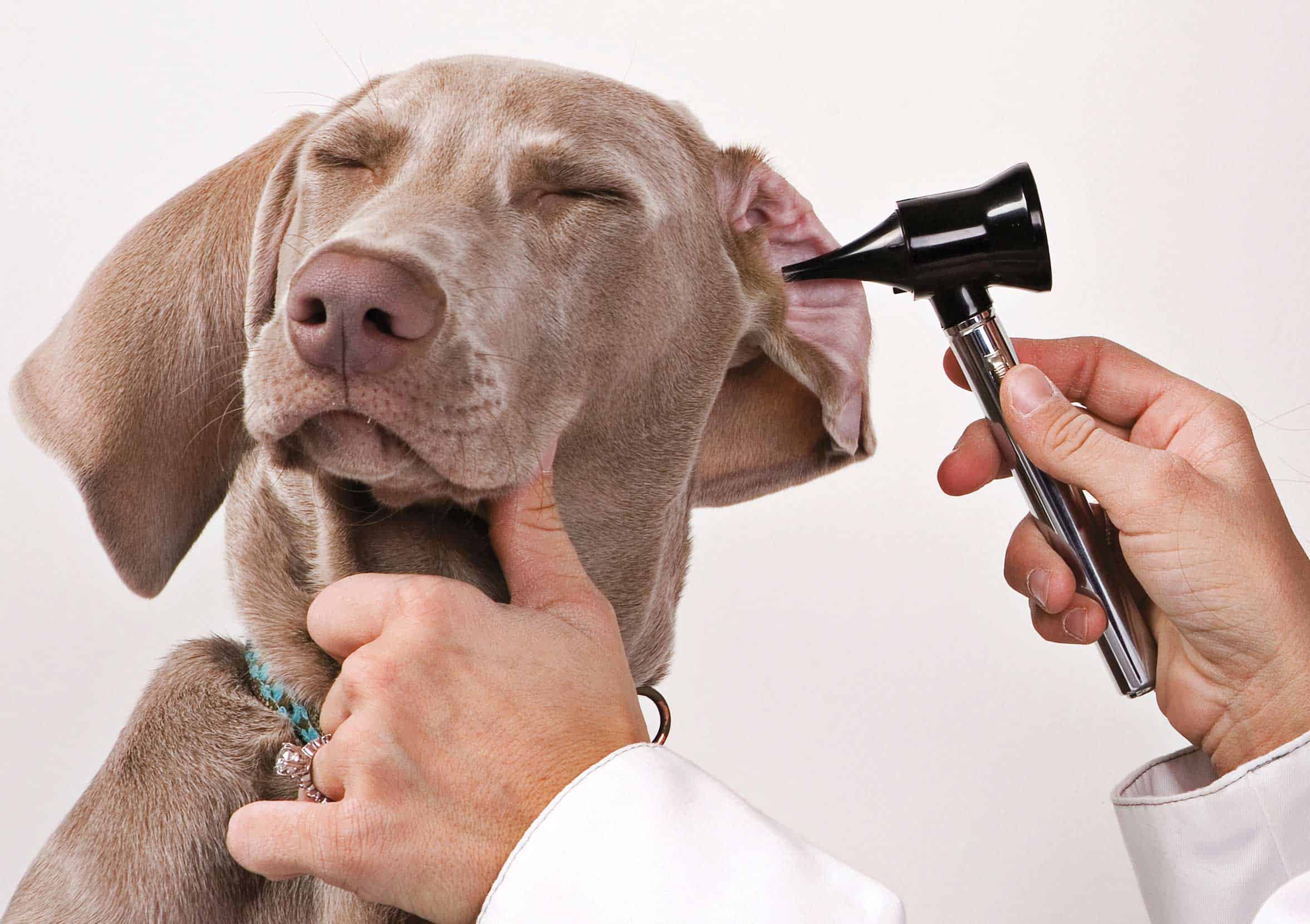
Infections are one of the most common causes of inflammation. It is always important to determine what type of infection you’re dealing with.
But things are not always as simple as that.
Let’s say your dog was diagnosed with otitis.
Otitis is often used as a synonym for an ear infection, though the word really stands for inflammation of the ear. Infection, however, is usually involved.
The most common type of ear infection is “otitis externa†where the infection and inflammation is limited to the outer ear canal. You might have noticed a bad odor or discharge, redness or swelling, head shaking, scratching or rubbing at the ears …
 The infection can be bacterial, fungal or parasitic (ear mites).
You don’t want a treatment based on an assumption; you want to know for sure what the cause is because the treatment is different for each type of infection.
Now the question is what caused the infection in the first place.
A one-time infection can have a simple cause and might not come back after appropriate treatment.
For example, a bacterial infection could have been caused by a foreign body (e.g., a grass awn or Foxtail) or trauma that disrupts the normal protective mechanisms of the ear. (Of course the foreign body must be removed for the infection to go away).
A yeast infection might follow after antibiotic treatment of bacterial otitis.
When he was grading our papers, our English professor would always say, “One mistake – no mistake,†and give an A on a paper with just one error.
Chronic cases, however, are a different story.
In some dogs, the anatomy of the ear itself can make it susceptible to infections. Think Cocker Spaniels with their floppy ears – cute, but they trap dampness and debris inside making them virtual Petri dishes for infection. With some extra care, owners can often manage these types of situations.
However, ear infections can be secondary to other conditions, such as allergies or other systemic diseases!
Dogs suffering with allergies are also susceptible to ear infections. In fact, recurring otitis can be the first warning sign of an allergy problem.
Some hormonal imbalances also lead to frequent infections, including otitis.
For example, Cushing’s disease (hyperadrenocorticism) is caused by overproduction of the hormone cortisol. High cortisol levels suppress the immune system and make dogs more susceptible to infections.
It’s your dog’s health!
Jana
Further reading:
External Ear Infection (External Otitis) in Dogs
Ear Infections (Otitis Externa) & Ear Cleaning in Dogs
Ear Infections (Otitis Externa)
Can allergies cause my dog’s ear infection?
Ear Mites FAQÂ
Related articles:
Phoenix’s Chronic Ear Infections
Medical Terms That Sound Like A Diagnosis But Really Are Not (Part I)
Medical Terms That Sound Like A Diagnosis But Really Are Not: One-thing-or-anotheritis