显示标签为“2010”的博文。显示所有博文

2013年9月28日星期六

April « 2010 « strokedogs.com


You will need to help them with their ears because they probably won’t be able to scratch for themselves for a while. Dog ear infection causes a lot of discomfort in dogs having it. The earlier it is diagnosed, the better. It has been noted that some dog breeds stand a higher chance of getting ear infections. This is because of the position and anatomy of the ear in those breeds. Usually the agents responsible are either bacteria of Fungi that affect the external ear canal. Depending on the fungi
or bacteria causing the infection, the veterinarian may suggest treatment accordingly.


1. Ear Drops


In most of the case, ear infection is usually treated with ear drops. But first of all it is important to use a sterile gauze to clean the dog’s ear. That will prevent the infection from
worsening.


You need to take note of this. Only use ear drops if the dog’s ear drum is intact. You will need a vet to check your dog’s ear to confirm whether or not it is safe to use ear drops.


In the multitude of ear drops available it is always prudent to seek the advice of a veterinarian before purchasing one. Always read the label carefully before applying the ear drop to
your dog.


2. Topical Ointments
There are cases where the ear canal is partially closed. If that is the case then you will need to use topical ointments. They contain antibiotics or ingredients that reduces inflammation of
the ear. After the ear gets opened you can now apply the ear drops.


3. Distilled Water
It has been noted that distilled water can also be added to ear drops or topical ointments; it is helpful in cleaning the ear canal.


4. Oral Medication
In case of a much more severe infection the Doctor may suggest that you use some oral medication. He may suggest the administration of oral fungicides or antibiotics depending on
whether the infection is caused by fungi or bacteria respectively.


Corticosteroids may also be employed to reduce the swelling.


5. Surgical Procedure
There are severe cases where the ear canal closes completely. If that happen anti inflammatory medication is advised to be use hoping that the ear will reopen so that ear drops can be applied.
Sometimes even anti inflammatory medication does not work. In that case the vet has no choice but to perform surgery.


If you do care about the health of your dog and would want to get more information about how to keep your dog healthy just click on any of the other sites.


A Dog Stroke has multiple causes with symptoms that range from behavioral change to difficulty moving. Diagnosis must be done by a veterinarian with treatment focused on the underlying cause of the stroke.”


Canine stroke symptoms include the following:


•Head tilt


•Turning the wrong way when called


•Eating out of one side of his food bowl


•Loss of balance


•Lethargy


•Blindness


•Loss of bladder and bowel control


•Can’t get up


•Convulsing


•Eyes fixed or rolled back


Luckily, dogs seem to recover from strokes more easily than humans.


YOU CAN help your dog get back to normal (and help yourself) by doing special things.


BUT, they will need extra care around the clock.


You can find all kind of items to help you with the care of your dog.


DON’T give up on your dog !


They DON’T have to be euthanized !


They can live many more  happy years, and give you so much more joy.


A Look At Dog Strokes


Strokes rarely occur in canines. They are brought on when blood flow to the brain is impaired. There are two types of strokes, namely hemorrhagic and schemic. Schemic strokes occur when blood flow is impeded for some reason. The hemorrhagic variety occur when a blood vessel breaks.


Causes


There are a variety of reasons why your dog can experience a stroke. Some occur because of severe trauma to the head, such as being hit by a car. This problem can also be caused by ingesting various toxins. Underlying medical conditions can also be to blame like Cushings disease in canines. Other common conditions include heart disease, diabetes, brain tumors, and dog kidney disease


Symptoms


Dogs experiencing a stroke display some of the same symptoms caused by other conditions. Constant circling, difficulty walking, and head tilting are common. Dogs may also experience loss of bowel control, behavior changes, and sudden blindness.


Diagnosis


You will need to seek medical assistance quickly if your dog displays some of these symptoms. Quick diagnosis and treatment goes a long way towards a complete recovery. Your dog will likely have a physical exam at first. If your dog has had a stroke, he will perform a CT scan or MRI to try to determine the cause. These two procedures require that your dog be anesthetized.


Treatment


Canine strokes are treated by determining the underlying medical condition and treated it if possible. Your dog shouldn’t experience anymore strokes if the underlying cause can be identified and treated. The damage done by a stroke is typically irreparable. Most dogs recover within a few weeks though. However, your dog may have certain behavioral changes after having one.


All owners should know a little something about various diseases that can affect their dog. You can read up on many different potential health problems at dog-illnesses.com.


A Look At Dog Strokes 


Strokes rarely occur in canines. They are brought on when blood flow to the brain is impaired. There are two types of strokes, namely hemorrhagic and schemic. Schemic strokes occur when blood flow is impeded for some reason. The hemorrhagic variety occur when a blood vessel breaks.


Causes


There are a variety of reasons why your dog can experience a stroke. Some occur because of severe trauma to the head, such as being hit by a car. This problem can also be caused by ingesting various toxins. Underlying medical conditions can also be to blame like Cushings disease in canines. Other common conditions include heart disease, diabetes, brain tumors, and dog kidney disease


Symptoms


Dogs experiencing a stroke display some of the same symptoms caused by other conditions. Constant circling, difficulty walking, and head tilting are common. Dogs may also experience loss of bowel control, behavior changes, and sudden blindness.


Diagnosis


You will need to seek medical assistance quickly if your dog displays some of these symptoms. Quick diagnosis and treatment goes a long way towards a complete recovery. Your dog will likely have a physical exam at first. If your dog has had a stroke, he will perform a CT scan or MRI to try to determine the cause. These two procedures require that your dog be anesthetized.


Treatment


Canine strokes are treated by determining the underlying medical condition and treated it if possible. Your dog shouldn’t experience anymore strokes if the underlying cause can be identified and treated. The damage done by a stroke is typically irreparable. Most dogs recover within a few weeks though. However, your dog may have certain behavioral changes after having one.


All owners should know a little something about various diseases that can affect their dog. You can read up on many different potential health problems at dog-illnesses.com.


Bladder Control


When your dog has a stroke, sometimes that causes them some trouble holding their urine in when they stand up from a laying position. You can get medicine to stop the leaking.


Check with your Veterinarian and they can give you a prescription and tell you how much to give them in one dose.


Also when your dog gets older, especially female, they have a harder time getting up.


There are prescriptions, and you can get doggie diapers to help with the leakage.


Hydrotherapy in Dogs


Reduces pain,inflammation, and increasing range of motion in your dog.


Massage Therapy


Does your dog seem tense and stiff? Maybe even a little crabby? If so, consider giving him a massage. A properly performed massage can help release pent up stress and negative energy, resulting in a calm and more peaceful pet.
The sensation of simple touch of the fur (skin) to the manipulation of muscles has


shown to enhance the human animal bond, and sometimes even establish it. For the inactive and older pet, as well for the young or working pet, the owner can provide a gentle comforting touch. This helps provide security and calmness and will aid in relieving stress. Be aware that at home massage is different than the massage done by a certified massage therapist. These trained people can provide a more thorough massage, incorporating a variety of techniques. But you can massage your dogs back, and shoulders ,and back leg joints, very lightly. Do Not ever give them a deep massage ! Each time you come in contact with your dog while petting them just give them a quick little massage. It’s also good to give them one before you leave them alone.


If you must keep your dog out side, you need use solar power heat in winter and a portable air-conditioner in the summer, The dog house needs to be under shade, with at least a fan blowing on them.


You will need to have the vet shave their bottom, because you will have to diaper them. The dog may not be able to get up on their own to go pottie.

  (more…)


October | 2010 | Dog Ear Infections blog


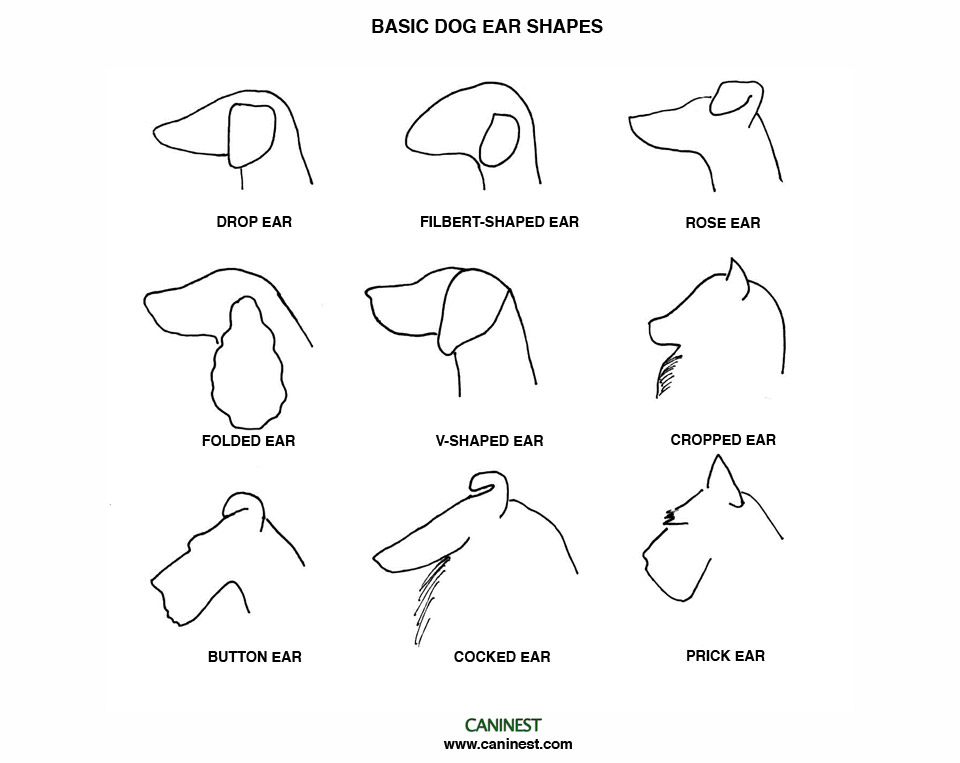
Here is supporting article to the diagram in my recent post on ear shape as an influence on dog ear infections.
In general terms, if you can see down the ear without having to lift it up (and that also means not too much hair) then the ear will be less prone to infections.

Of course, thinks like allergies and other skin problems, swimming, dirt and grass seeds can all change this.


Dog Ear Types


By Paige


There are a variety of different ear shapes and sizes in the canine world. Here are some of the basics with brief descriptions and examples of breeds with each ear shape.


Bat Ear

Bat ear dog


Image from sarah…

Large in proportion to the head & upright.


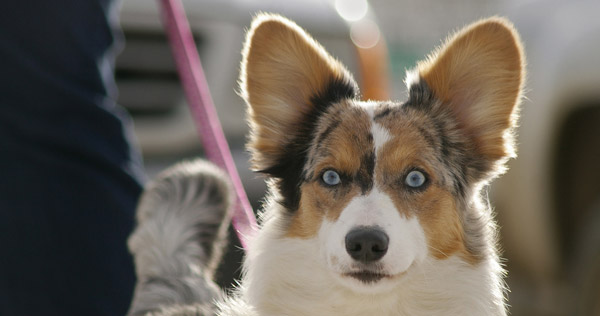
Example of breeds with bat ears: Chihuahua & Cardigan Welsh Corgi


Blunt-Tipped or Round-Tipped Ears

Blunt-tipped ear dog


Image from Stijn Hosdez

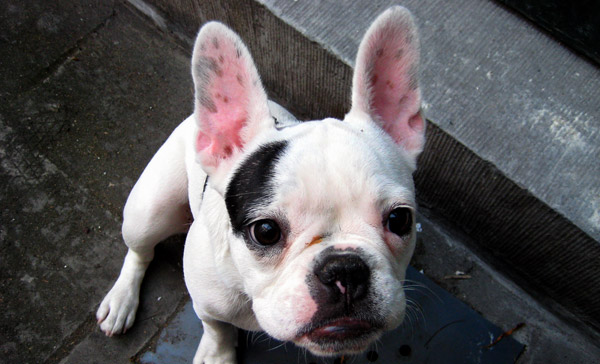
Large, upright ears with blunted or rounded tips.


Example of breeds with blunt-tipped ears: Chow Chow & French Bulldog


Button Ear

Button ear dog


Image from Alicia Nijdam

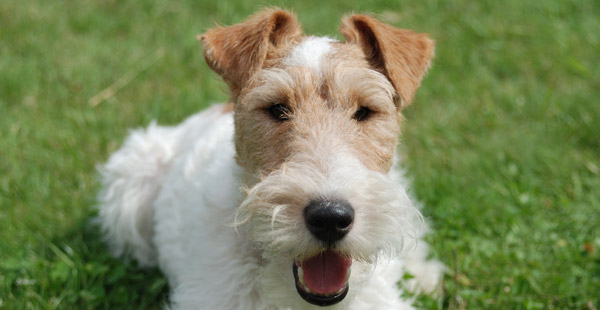
A small semi-erect ear with a front flap that folds forward nearly to the skull obscuring most of the ear canal.


Example of breeds with button ears: Jack Russell Terrier & Fox Terrier


Candle Flame Ear

Candle flame ear dog


Image from huskypup

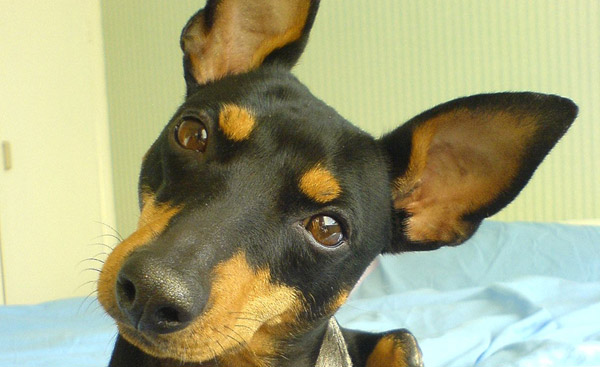
Specific ear type of the English Toy Terrier breed.


Cocked or Semi-Cropped or Semi-Prick Ear

Cocked ear dog


Image from r4n

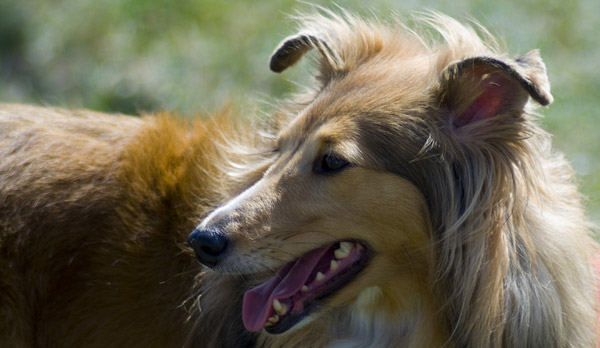
An upright prick ear that folds over slightly at the tip.


Examples of breeds with semiprick ears: Rough Collie & Pitbull


Cropped Ear

Cropped ear dog


Image from sduffy

Created by surgically cropping them shortly after birth so they stand up straight. (This is cosmetic surgery)


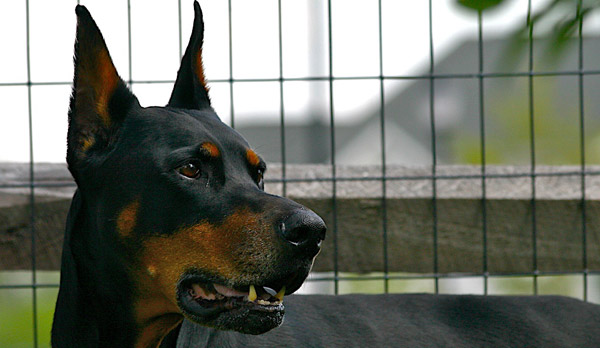
Example of breeds often found with cropped ears: Doberman & Great Dane


Drop or Pendant Ear

Drop ear dog


Image from Contadini

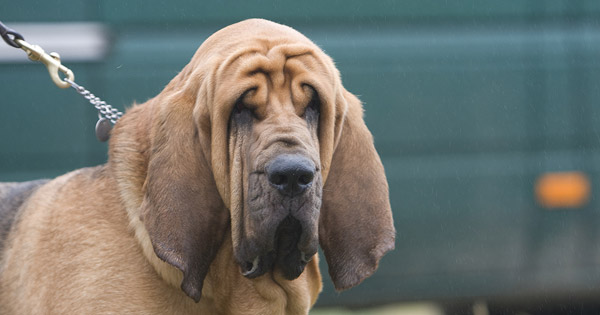
Can be expressed in a variety of shapes & lengths and specifies only that the ear hang down from their junction with the side of the head.


Examples of breeds with drop ears: Basset Hound & Skye Terrier


Filbert-Shaped Ear


Because dogs with lop or floppy ears are much more prone to ear infections than dogs with upright ears, its worth looking at the shape of your dogs ears when assessing their need for cleaning and attention (although all dogs ears need attention).  Its also worth considering a dogs ear shape when buying a dog, taking into account the climate you live in and their lifestyle.
This article has a great diagram of all the different dog ear shapes.


Dog Ear Shape Cheat Sheet


By Paige


Dog Ear Shape Chart


*Click image for a larger view

Recently we did a post about the different ear shapes found in dog breeds, then decided to put together a cheat sheet for those who want to be able to identify ear shapes on the fly.


Feedback is always appreciated from those who know their ears. :)


_______________


Great picture, isn’t it.  What shape are your dogs ears?


While any dog can get an ear infection, these problems are much more common in some breeds than others.
Common predisposing factors include floppy ears, hairy ears, skin problems such as allergies, oily or dry skin, and dogs which swim
These include:


  • Dogs with long, floppy ears: eg Cocker spaniels, Bassets, Beagles, Great danes, Weimeranas

  • Dogs with hairy ear canals: eg Poodles, Shih-Tzus, Briards

  • Dogs with allergies like atopy: West Highland White terriers and many other terriers, bull terriers, boxers

  • Dogs which swim compulsively: eg Labrador retriever, newfoundland, Irish Water Spaniel


If you are in a humid climate, or the dog will live outside in hot weather, these breeds are even more sensitive.  In some cases eg. Cocker Spaniels, several of these factors combine (long floppy ears, hairy ears, allergies, swimming, scaly skin) to cause severe problems in many individuals.  make sure you check with your vet how to prevent these problems if you have a breed which is prone to these problems (or read on at Dog Ear Infections).


This video doesn’t feature any demos, but the vet gives a good description how to use smell and examination to identify an ear infection.  He also discusses common causes of ear infection.


This video gives great insight into the surprising shape of the dogs ear canal and explains why a vet visit is so important to rule out problems deep in the ear.  The ear cleaning demo is good too


How to clean your dogs ears.
Ear infections are largely preventable.  I recommend cleaning your dogs ears after a bath or a swim or every 1-4 weeks, depending how dirty your dog’s ears get.

This is a fun video and suggests the use of Epi-Otic, my preferred ear cleaning solution.  One thing I like about this video is the emphasis on making the whole experience positive for the dog.


Welcome to WordPress.com. This is your first post. Edit or delete it and start blogging!


2013年9月15日星期日

November | 2010 | Dog Ear Infections blog


Dog Ear Infections are such common problems in dogs: learn more from vet Dr Craig Griffin about the symptoms and treatment of dog ear infections.

Read more about treating dog ear infections.


Ear infections
How common are ear infections in dogs?:
Infection of the external ear canal (outer ear) by bacteria or yeast, is one of the most common types of infections seen in dogs. It is called otitis externa. Some breeds, particularly those with large or hairy ears like Cocker Spaniels, Miniature Poodles or Old English Sheepdogs, seem more prone to ear infections, but they can occur in any breed  Dr. Craig Griffin talks about otitis externa. 
What are the symptoms of an ear infection? :
A dog with an ear infection is uncomfortable and the ear canals are sensitive. The dog shakes its head and scratches its ears trying to get the debris and fluid out. The ears often become red and inflamed and develop an offensive odour. A black or yellowish discharge commonly
Don’t these symptoms usually suggest ear mites? :
Ear mites can cause several of these symptoms, including a black discharge, scratching, and head shaking. However, ear mite infections occur most commonly in puppies. Ear mites in adult dogs occur most frequently after a puppy carrying mites is introduced into the household.  Sometimes, ear mites will create an environment within the ear canal which leads to a secondary infection with bacteria and yeast (fungus). By the time the dog is presented to the veterinary surgeon, the mites may be gone, but a significant ear infection remains.
can I not just collect some medication:
Since these symptoms are similar and usually mean an infection,can I not just collect some ear drop medicationj from my Vet  There are several kinds of bacteria and at least one type of fungus which might cause an ear infection. Without knowing the kind of infection present, we do not know which medication to use. In some cases, the ear infection may be caused by a foreign body or tumour in the ear canal. Treatment with medication alone will not resolve these problems. There are several kinds of bacteria and at least one type of fungus which might cause an ear infection. Without knowing the kind of infection present, we do not know which medication to use. In some cases, the ear infection may be caused by a foreign body or tumour in the ear canal. Treatment with medication alone will not resolve these problems. Also, the dog must be examined to be sure that the eardrum is intact. Administration of certain medications can result in loss of hearing if the eardrum is ruptured. This determination is made by the veterinary surgeon at the surgery.
How do you know which drug to use? :
First, the ear canal is examined with an otoscope, an instrument that provides magnification and light. This permits a good view of the ear canal. This examination allows us to determine whether the eardrum is intact and if there is any foreign material in the canal. When a dog is in extreme pain and refuses to allow the examination, it may be necessary to sedate or completely anaesthetise the dog for a thorough examination.  The next step is to examine a sample of the material from the ear canal under a microscope to determine which organism is causing the infection. Microscopic examination is very important in helping the veterinary surgeon choose the right medication to treat the inflamed ear canal. Further bacteriological examination may also be necessary before treatment is started.
How are ear infections treated?:
The results of the otoscopic examination and bacteriology usually determine the course of treatment. If there is a foreign body or tick lodged in the ear canal, the dog is sedated so that it can be removed. As stated previously, some dogs have such a heavy buildup of debris that sedation is needed to cleanse the canal and examine it completely. Cytologic study of debris from the ear canal dictates which drug to use. Sometimes, it reveals the presence of more than one type of infection (i.e., a bacterium and a fungus, or two kinds of bacteria); this situation usually requires the use of multiple medications or a broad-spectrum medication.  An important part of the evaluation of the patient is the identification of underlying disease. Many dogs with chronic or recurrent ear infections have allergies or low thyroid function (hypothyroidism). If underlying disease is suspected, it must be diagnosed and treated, if at all possible. If this cannot be done, the dog is less likely to have a favourable response to treatment. Also, the dog might respond temporarily, but the infection will recur (usually when ear medication is discontinued).
What is the prognosis? :
Nearly all ear infections that are properly diagnosed and treated can be cured. However, if an underlying cause remains unidentified and untreated, the outcome will be less favourable. Several examinations may be needed before the process is completed and we can expect ultimate success.
How important is it to treat an ear infection? :
Dogs with ear infections are miserable. Their ears are a source of constant pain resulting in head shaking and scratching. However, that is not the only problem. Head shaking and scratching can also cause broken blood vessels in the ear flap, requiring surgery, and chronic ear infections can penetrate the ear drum and result in an internal ear infection
My dog’s ear canal is nearly closed. Is that a pro:
Closing of the ear canal is another result of a chronic ear infection. There are medications that can shrink the swollen tissues and open the canal in some dogs. However, some cases will eventually require surgery.  What is the goal of surgery?  The surgery for a closed ear canal is called a lateral ear resection. The goal of the surgery is to remove the vertical part of the ear canal and to remove swollen tissue from the horizontal canal. Removing the vertical canal should be successful, but removal of large amounts of tissue from the horizontal canal is more difficult. In some cases, the ear canal is surgically removed which may result in some permanent impairment of hearing.
How do I use the ear drops:
It is important to get the medication into the horizontal part of the ear canal. Be aware that the dog’s external ear canal is “L” shaped. The vertical canal connects with the outside of the ear; the horizontal canal lies deeper in the canal and terminates at the eardrum.  The ear canal may be medicated by following these steps:  Gently pull the ear flap straight up and hold it with one hand.  Apply a small amount of medication into the vertical part of the ear canal while continuing to keep the ear flap elevated. Hold this position long enough for the medication to run down to the turn between the vertical and horizontal canal.  Put one finger in front of and at the base of the ear flap, and put your thumb behind and at the base.  Massage the ear canal between your finger and thumb. A squishing sound tells you that the medication has gone into the horizontal canal.  Release the ear and let your dog shake its head. If the medication contains a wax solvent, debris will be dissolved so it can be shaken out.  If a second medication is to be used, apply it in the same manner.  When all medications have been applied, clean the outer part of the ear canal and the inside of the ear flap with cotton wool soaked in some of the medication. Do not use cotton tipped applicators to do this as they tend to push debris back into the vertical ear canal.

This page was last Updated: 06/11/2008 11:35:46


Canaural ear drops for infected ears
Axiom Labs for Allergy Testing
Epiotic for cleaning ears from your Vet
Ear wipes available in the Pet Shop and from Vet

This Page was submitted by: Admin

Print This Page : Bookmark This Page : Email This Page


 Back To The Home PageHomeGo To Previous PageBack
VetontheWeb . 197 Bo’Ness Road . Grangemouth . FK3 9BT . UK . Tel 0870 777 5060 . Email info@vetontheweb.co.uk


Dog ear infections require close cooperation with your vet to treat successfully.
Handouts like this one help you understand the problem and the steps needed to fix it.  If not diagnosed early and treated correctly, dog ear infections often recur.


272 MARCH 2004 Veterinary Medicine

Your veterinarian has just informed you that

your dog has otitis, or inflammation of the ear.

There are three stages of otitis. In the beginning,

the external ear canal is affected, and you may

notice that your dog is shaking its head or pawing at

its ear. Your dog might also have an ear discharge,

with or without odor. In the next stage, the disease

spreads to the middle ear, which includes the

eardrum. In the final stage, otitis spreads to the inner

ear, which houses your dog’s balance system.

In the more severe stages, dogs are reluctant to

open their mouths or chew and have a pronounced

head tilt, balance problems, and drooping lips or eyelids.

Luckily, most cases of otitis are caught during the

first stage, and, at this stage, the chances for getting

your dog’s ears back in tip-top shape are good.

How did the otitis develop?

Many things cause dogs’ ears to become

inflamed, including ear mites, a bacterial

or yeast infection, a foreign object or mass

within the ear, allergies, or medical conditions

that allow infection to develop within the

ear. Some breeds are more likely to develop

problems because of their ear structure. It

can take time and a variety of diagnostic

tests for your veterinarian to determine the

underlying cause. But this cause must be

identified, or the problem can worsen

and spread farther into the ear,

causing your dog intense pain and,

possibly, necessitating surgery to drain the

infected material and remove the affected tissues.

Even if bacterial or yeast infections aren’t the primary

cause, they often develop in affected ears. Your veterinarian

will likely prescribe medication to treat these

infections and show you how to administer it. Keep in

mind that frequent follow-up visits will be necessary to

monitor response to therapy.

Cleaning your dog’s ears

An important part of treating your dog’s otitis involves

frequent ear cleanings, which you can do at home.

Make sure you clean your dog’s ears either outdoors

or in an area such as a tiled bathroom where nothing

can be stained by debris from the ear canal. Use a

two-stage cleaning technique. First, flood the ear

canal with cleaning solution prescribed by your veterinarian.

Make sure you fill the canal—don’t just use

a few drops. Allow the solution to remain in contact

with the canal for at least 60 seconds, and gently massage

the entire canal during this time. Dry the canal

with a cotton ball. Use only real cotton balls, which

are less irritating than synthetic ones are. Never clean

your dog’s ears with a cotton swab. The

swab pushes debris farther into the ear

canal and puts the eardrum under pressure,

possibly causing it to rupture. The

second stage is a repeat of the first.

Again allow the solution to contact

the canal for a full 60 seconds or

more and massage the ear. Then

step back and let your dog shake

its head.

The frequency of cleaning

varies based on how severely

your dog’s ears are affected, but,

in general, perform this cleaning

process twice a day for the first one

or two weeks, once a day for the

next one or two weeks, and then

once or twice a week thereafter.

Communicate with your veterinarian

Follow your veterinarian’s instructions for cleaning

your dog’s ears and administering medications. Be

sure to bring your dog in for each recheck appointment

your veterinarian schedules, even after the

inflammation has subsided. Otitis often recurs in dogs,

and the medication that cleared it up the first time

may not work the next time because a different type

of infection may have developed. So be sure to see

your veterinarian if signs do recur. â– 


Dog ear infections are often caused by a yeast called MMalassezia Pachydermatitis.  Malasezzia yeasts live on normal dog skin, but some dogs get overgrowths of the yeast on their skin which causes symptoms such as thickening, scaliness, redness and itchiness of the skin.


Malasezzia infections are usually secondary to other problems such as injury, infection, poor hygeine, and environmental factors like the skin or ear being wet for long periods, humidity, and high temperature.  In many dogs yeast infections are secondary to allergies or other infections.


Read more about dog ear infections below:

Malassezia Yeast Infections in Dogs and Cats


Oct 9, 2010 Lorie Huston


Yeast Can Infect the Skin of Dogs - Chris Harriot
Yeast Can Infect the Skin of Dogs - Chris Harriot


Malassezia yeast can infect the skin and/or ears of dogs and sometimes cats that have other types of skin disease. Infection is itchy and uncomfortable.


Yeast are, by definition, a spore-like form of fungi. Malassezia is a yeast organism that frequently populates the skin of the dog and cat. In fact, Malassezia are present even on the skin of healthy dogs and cats. However, when the skin becomes damaged, the changes in the skin give the yeast the opportunity to reproduce and infect the skin in higher numbers. The yeast organisms can infect the ears of the dog and cat as well.


Malassezia Yeast Infections in Dogs and Cats


Yeast infections involving Malassezia rarely occur in either dogs or cats without an underlying form of skin disease. Though the organisms are capable of causing disease in damaged skin, they are not particularly virulent in the absence of pathology.


Yeast infections due to Malassezia occur frequently in dogs and can occur in cats but are less common in the feline species.


Any type of skin disease can predispose a dog or cat to a Malassezia yeast infection. Some of the more common predisposing causes are:


  • flea allergies

  • food allergies

  • inhalant allergies (also known as atopy)

  • seborrhea


Other diseases that affect the skin can sometimes be responsible for causing Malassezia yeast infections also. These diseases include demodectic mange, autoimmune skin disease and other types of skin disease.


Symptoms of Canine and Feline Malassezia Yeast Infections


The most common and easily recognizable symptom of yeast infection in dogs and cats is intense itchiness.


Malassezia can infect both the skin and the ears of the canine and feline. In dogs, yeast infection with Malassezia is an extremely common secondary infection. Yeast infection is less often diagnosed in cats but in either species, infection can be problematic. Without treatment of the yeast infection, the underlying disease is unlikely to respond well.


Commonly seen symptoms are those seen with many other skin diseases and include reddened or inflamed skin, open sores, scabs, hair loss and, in more chronic cases, thickened skin. Yeast infections often cause a foul skin odor as well.


In the ears, Malassezia yeast infection causes similar symptoms. The dog may shake his head, scratch at his ears or tilt his head. The ears may have a black to brown colored waxy discharge and may also have an odor.


Treatment of Malassezia Yeast Infections in Dogs and Cats


Yeast infection with Malassezia is treated in several different ways. Shampoos are frequently used although they may not be totally effective in and of themselves. Commonly used shampoos include benzoyl peroxide shampoos and those containing chlorhexidine. In addition, shampoos containing anti-fungal medications such as miconazole and ketoconazole may be used as well.


Topical medications used to treat small lesions include those containing acetic acid. A mixture of vinegar and water is often used to treat small areas of yeast infection also.


Antifungal medications such as ketoconazole given orally are usually the most effective means of treatment.


Any time a dog or cat develops a skin disease, secondary infection with Malassezia yeast is a possibility. When this occurs, your dog or cat may not improve until the yeast infection is controlled. Your veterinarian can perform simple skin tests to determine if your pet has a yeast infection.


Dog ear infections are commonly caused by the budding yeast Malasezzia pachydermatitis.  Dog ear yeast infections are characterised by a yeasty smell, often with thickened skin, redness, scaling and a thick discharge inside the ears.  Dog ear yeast infections are usually long term problems and won’t be painful initially.  While they can be hard to treat, they can be prevented by good ear hygeine and attention to your dogs overall health and other skin problems.
Check out this great electron microscope photo of the dog ears infection yeast from Vet blog.


Malassezia (yeast) infections: something extremely common in cats and dogs, especially during allergy season. These little buggers can cause nasty ear infections, and if you look for them properly, can be found anywhere on the skin. 
Incidentally, our microscope in the clinic is suberb, but not an electron microscope (as what has taken this image).


Dog ear infections can be confusing because the dogs ear is actually mostly hidden.  Dog ear infections often occur deep within the ear, and dogs may have painful ears with pus or blood discharge for days before you notice any problems.
Learning the anatomy of the dogs ear and how this relates to infection, applying medication like ear drops and cleaning the ear is essential to successful treatment.


Read more about otitis externa anatomy

Otitis externa  Introduction 
Otitis externa, or inflammation of the external ear canal, is a common condition in dogs. It is characterized by inflammation of the soft tissue components of the external ear canal and is particularly prevalent in dogs with long, floppy ears. Otitis externa may affect 20 percent of dogs.  ear-dog  
Left: as demonstrated by the above ear-model, the ear canal has a vertical and a horizontal component. This predisposes the dog to ear infections as debris must work its way upward rather than straight out. 
Right: otitis externa with brown exudate 
Anatomy of the ear 
The ear of the dog and the cat is composed of three parts: the external ear, the middle ear and the inner ear. Together these components allow the animal to locate a sound and the direction from which it emanates, to orientate the head in relation to gravity and to measure acceleration and rotation of the head. 
Selective breeding, of dogs in particular, has resulted in a wide variation in relative size and shape of the components of the external ear. Compare, for example, the French Bulldog, the Cocker Spaniel, the German Sheperd Dog, the St. Bernard and the Persian cat. The pinnal shape and carriage, the diameter of the external ear canal, the degree of hair and amount of soft tissue within the external ear canal, and the shape of the skull within which the middle and inner ear lie vary from one breed to another.  The external ear canal 
An importrant difference between the tissues of healthy ears and infected ears is the appaerance and distribution of the glandular structures. In a healthy ear, sebaceous glands are usually numerous , large and actively secreting. In chronic otitis externa, they are less active and much smaller. The external ear canal may normally contain a small amount of wax that is yellowish-brown in color.  Signs of ear disease
Every day we see dogs who have problems with their ears. Signs of these ear problems include: 
• Odor 
• Scratching or rubbing of ears and head 
• Discharge in the ears 
• Redness or swelling of the ear flap or canal 
• Shaking of the head or tilting it to one side 
• Pain around the ears 
• Changes in behavior such as depression or irritability  Causes of ear disease 
• Allergies such as atopy or food allergies 
• Parasites - ear mites. Adult mites are large, white and free-moving. the life cycle of the ear mite is three weeks. Mites are characterized by thick, reddish-brown or darkbrown exsudate and crusts in the ear. Ear mites are the single most frequent cause of otitis externa in the cat. Mites are highly contagious. 
• Bacteria and Yeast infections. Staphylococcus or Streptococcus (Gram-positive bacteria) infections are most frequently associated with acute otitis externa. There is a light-brown, creamy exudate. Gram-negative organisms (Proteus, Pseudomonas, E.Coli) are most frequently observed in chronic otitis externa or recurrent ear disease. There is a yellow exudate. Malassezia canis is a budding yeast: a brown, waxy adherent exudate. 
• Ticks. The spinous ear tick is found in the external ear canal of dogs and cats. The ear canal become packed with immature ticks. Treatment involves mechanical removal, spraying or dipping the coat with an insecticide. 
• Foreign bodies, e.g., plant awns 
• Trauma 
• Hormonal abnormalities, e.g., hypothyroidism 
• The ear environment, e.g., excess moisture and ear anatomy 
• Hereditary or immune conditions 
• Tumors  Treatment 
The first step in otitis externa is a thorough cleansing of the ear canal followed with irrigation of the canal with a warm antiseptic solution (chlorhexidine or betadine). A warm sterile solution should be used if there is any indication of ruptured membrane. 
Most topical ear medications are combinations containing one ore more antiparasitics, antibacterial, antimycotic, anti-inflammatory, local anesthetic, ceruminolytic and drying and cleaning agents. Oil or ointment bases help moisturize the skin and are effective in dry, scaly or crusty lesions. Solutions or lotions are most frequently used in exsudative ear lesions. 
Cotton applicator swabs can be used to clean the inside of the earflap and the part of the ear canal you can see. They should NOT be used farther down in the ear canal since that tends to pack debris in the ear canal, rather than removing it! 
Chronic otitis externa is usually associated with underlying skin conditions such as seborrhea, hypothyroidism or improperly or neglected ear disease.ar problems caused by a systemic disease such as a hormone abnormality or allergy must include a therapy that treats the whole dog, such as hormonal replacement or allergy testing and hyposensitization (immunotherapy).  Surgical treatment
Depending on the severity of the problem, the vertical canal may need to be opened surgically. This enables debris to be removed more effectively. This is done to prevent severe scarring after prolonged specific medical therapy has been ineffective. This procedure is called a lateral ear resection, Zepp procedure, or LaCroix procedure.  
If the canal becomes so scarred that it is practically closed, ablation may be the final option. In this surgical procedure, the entire ear canal is removed and healthy tissue is allowed to grow in. This procedure is a last resort after severe infection has made effective medical treatment impossible. A specialist is called in for these cases and although surgery is expensive, dogs with chronic severe otitis usually require no further ear treatment for the rest of their lives.   
Aural hematoma 

Complication of ear disease: aural hematoma 
When a dog with uncomfortable ears shakes and scratches vigorously, a blood vessel in the ear flap may rupture.  This leads to bleeding into the tissues of the pinna (see above illustration). The usual recommendation is to have the blood clots removed and the ear bandaged and cleaned under anesthesia. If the hematoma is not so big as to occlude the ear canal (thus preventing medication), the option to forgo surgery exists; but without surgery, the ear may scar down into an abnormal appearance.  Preventing ear disease
The key to healthy ears is to keep them clean. Check your dog’s ears weekly. A slight amount of waxy buildup may be present in normal ears. If your dog swims a lot, has pendulous ears, or a history of ear disease, routine cleaning (often once to three times per week) is recommended. Use the same procedure as described above. Excess hair around the ear can be clipped to allow more air flow. Treat any underlying condition that predisposes your dog to ear problems. 
Remember, if your dog is showing severe discomfort, the ears have a bad smell, or the ear canals look very abnormal, do not delay in contacting your veterinarian. If your dog has a ruptured or weakened eardrum, some ear cleansers and medications could do more harm than good. 


If you spend a bit of time on the web researching dog ear infections, you will notice a lot of trends toward quick and easy treatments, home remedies and “the truth about dog ear infections” using common household chemicals”, including alcohol, vinegar, essential oils, olive oil, vitamins, raw food diets and homeopathy.
There is a time and place for treating mild ear infections at home, and some of these remedies may be useful in some situations, but very often using household chemicals in your dogs ear can cause severe pain, ongoing irritation and even permanent damage to the external, middle or inner ear.

If your dogs ear is painful (not just itchy), obviously pouring alcohol or vinegar into their ear will be excruciating.  Even with an itchy ear, such strong solutions can be very irritating.

Essential oils should never be used neat on animals, as they can be very toxic and irritating.

Any time the ear drum is involved or burst, using foreign substances in the ears can result in them entering the normally sterile middle and inner ear with disastrous consequences.

A change in diet or extra vitamins can sometimes be helpful for dogs with recurrent ear problems, but please, once your dog has an ear infection: get it properly treated before you begin the often time-consuming process of improving the diet.

Homeopathy hasn’t been proven to be helpful for ear infections in dogs.  Because homeopathic tablets are just sugar, they won’t do any harm but using them rather than getting proper medical attention for your pet can result in permanent damage.

So when your dog has an ear infection: please get it properly diagnosed by the vet.  Make sure they show you how to look for the early symptoms of dog ear infections, and show you how to clean your dogs ears.  If the problem has recurred, tell your vet and get advice on changes in grooming, cleaning, lifestyle (eg. swimming), or diet which may be helpful.  Once you get this information, treating ear infections at home will be much more successful.

You owe your dog the best vet care when they are in pain, and you owe it to yourself to manage these problems early so you can get back to enjoying time with your best friend.


Dog ear infections need to be diagnosed by a vet.  The cause of the problem will influence the treatment, and the wrong treatment can delay recovery or even make the problem worse.
Cleaning the ear with a product like Epi-Otic can greatly improve the hygeine of the ear: helping to prevent problems and clearing up your dogs ear infection more quickly.